


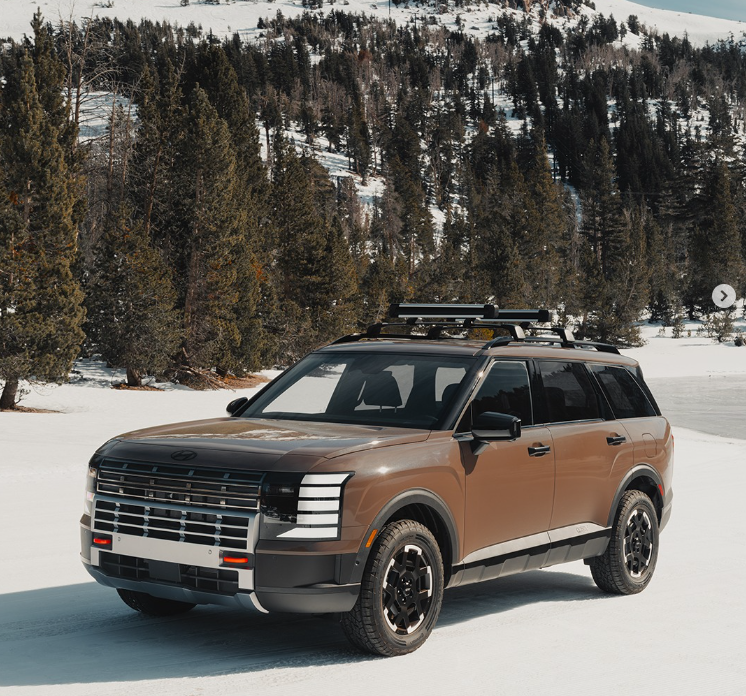
Western Pennsylvania winters can bring freezing temperatures, heavy snowfall, icy roads, and rapidly changing driving conditions. If you drive a Hyundai in Pittsburgh, Pleasant Hills, Chippewa, or the surrounding areas, preparing your vehicle for winter is an important part of keeping it dependable throughout the colder months.
The best way to prepare your Hyundai for a Western PA winter is to inspect your tires, test your battery, check your brakes and fluids, replace worn windshield wipers, and prepare an emergency kit before the first major snowfall.
At Bowser Hyundai, we help drivers prepare for the unique challenges of Pennsylvania winters. Whether you drive a Hyundai Tucson, Santa Fe, Palisade, Elantra, Sonata, or another Hyundai model, this winter car maintenance checklist can help you understand what to check before temperatures drop.
7 Essential Hyundai Winter Maintenance Tips
Use this checklist to prepare your Hyundai for cold temperatures, snow, ice and winter driving around Pittsburgh.- Inspect tire tread depth, pressure and overall condition.
- Test your car battery before freezing temperatures arrive.
- Check your brakes and essential vehicle fluids.
- Replace worn windshield wipers and use winter-rated washer fluid.
- Test your heater, defrosters and exterior lights.
- Review your Hyundai's all-wheel drive and winter driving features.
- Pack a winter emergency kit and check road conditions before traveling.
1. Check Your Hyundai Tires for Snow and Ice
Your tires are your vehicle's primary point of contact with the road, making them one of the most important components to inspect before winter. In Western Pennsylvania, snow, freezing rain, slush, and icy hills can make everyday commutes more challenging. Proper tire maintenance helps your Hyundai maintain traction and handle changing road conditions.Before winter arrives, check the following:
- Tire tread depth: Worn tires can have difficulty gripping snow-covered and wet roads. Replace tires when they reach the applicable wear limits.
- Tire pressure: Cold weather causes tire pressure to decrease. Check your tires when they are cold and inflate them to the recommended pressure on the driver's door-jamb label.
- Uneven tire wear: Uneven wear may indicate alignment, suspension, or tire maintenance issues.
- Winter tire options: Dedicated winter tires can provide additional traction in sustained cold temperatures and snowy conditions.
Is all-wheel drive necessary for Pennsylvania winters?
All-wheel drive can be helpful when accelerating on slippery roads, steep driveways, and snow-covered streets. Many Hyundai SUVs offer available HTRAC All-Wheel Drive, depending on the model and trim. However, all-wheel drive does not eliminate the risk of skidding or reduce braking distances on ice. Proper tires, safe speeds, and adequate following distances remain essential.Local winter tip: If your daily commute includes steep Pittsburgh-area hills or rural roads that may not be cleared immediately after snowfall, have your tires inspected before winter weather begins.
2. Test Your Hyundai Battery Before Temperatures Drop
A weak battery can become a major problem during a Pennsylvania cold snap. Low temperatures reduce a battery's ability to deliver power, making it harder to start your vehicle when you need it most. If your Hyundai's battery is aging, a pre-winter battery test can help identify potential problems before you are left with a vehicle that will not start.Watch for these common warning signs:
- Your engine cranks more slowly than usual.
- Interior lights or headlights appear dimmer than normal.
- You experience intermittent starting problems.
- Your battery is several years old or has previously required a jump-start.
Battery life varies based on driving habits, climate, and vehicle use. Rather than relying on age alone, have a qualified technician test the battery's condition and starting performance. If your Hyundai needs a replacement battery, confirm the correct specification for your model.
3. Inspect Your Hyundai Brakes and Fluids
Winter driving often requires more cautious braking and can expose existing vehicle maintenance issues. Before the first snowfall, make sure your brakes and essential fluids are in good condition.What fluids should you check before winter?
Engine oil: Follow your Hyundai owner's manual for the recommended oil type and service interval. Using the correct oil is especially important for reliable cold-weather operation.Engine coolant: Coolant helps regulate engine temperature and protects against freezing. Have its condition and freeze protection checked according to your Hyundai's maintenance recommendations.
Windshield washer fluid: Use a winter-rated washer fluid that is suitable for freezing temperatures. Summer washer fluid can freeze and limit visibility.
Brake fluid: Brake fluid should be maintained according to your vehicle's service schedule. Have it inspected if service is due or if you notice changes in braking performance.
How do you know if your Hyundai needs brake service?
Warning signs include squealing or grinding noises, vibration when braking, or a noticeable change in pedal feel or stopping performance. If you notice these symptoms, schedule an inspection rather than waiting for winter conditions to make the problem more difficult to manage.4. Replace Windshield Wipers and Check Your Defrosters
Snow is not the only visibility challenge drivers face during a Western PA winter. Road salt, slush, freezing rain, and spray from other vehicles can quickly cover your windshield. Before winter begins, inspect your windshield wipers and make sure your defrosters work properly.Your winter visibility checklist should include:
- Replacing wiper blades that streak, chatter, or leave uncleared areas.
- Filling the washer reservoir with winter-rated fluid.
- Testing the front and rear defrosters, if equipped.
- Checking headlights, brake lights, turn signals, and exterior lights.
- Cleaning the inside and outside of your windows to reduce glare and fogging.
Keep an ice scraper and snow brush in your Hyundai. Before driving, clear snow and ice from your windshield, windows, mirrors, lights, hood, and roof. These simple steps can improve visibility during dark morning commutes and evening drives around Pittsburgh.
5. Prepare Your Hyundai for Cold Starts and Winter Breakdowns
Even a properly maintained vehicle can experience problems in severe winter weather. A winter emergency kit helps you prepare for unexpected delays, road closures, or breakdowns.Keep these items in your Hyundai:
- Ice scraper and snow brush
- Warm gloves, hats, and extra clothing
- Blanket
- Flashlight and spare batteries
- Phone charger or portable power bank
- Jumper cables or a compatible jump starter
- First-aid kit
- Bottled water and nonperishable snacks
- Small snow shovel
- Sand or another suitable traction aid.
- If you regularly travel with children, pack additional warm clothing and supplies.
During extended periods of cold weather, try to keep your fuel tank at least half full. Check the forecast and road conditions before leaving home, especially when snow or freezing rain is expected.
Pennsylvania drivers can check 511PA for road conditions, traffic alerts, and travel information.
6. Understand Your Hyundai's Winter Driving Features
Depending on the model, trim, and equipment, your Hyundai may include features designed to support cold-weather comfort and driving performance.HTRAC All-Wheel Drive
Available on select Hyundai models, HTRAC All-Wheel Drive can distribute power between the front and rear wheels to help improve traction in certain driving conditions.It can be useful when accelerating on slippery roads, but it does not replace winter tires or safe driving practices.
Snow Mode and Drive Modes
Some Hyundai models offer selectable drive modes, including Snow mode on certain vehicles. These modes may adjust vehicle responses to help manage traction in specific conditions.Available modes and operation vary by model. Consult your owner's manual to understand which features your Hyundai offers and when to use them.
Heated Seats and Steering Wheels
Depending on your Hyundai's trim and equipment, heated front seats, a heated steering wheel, and heated exterior mirrors can make winter driving more comfortable.Driver Assistance Features
Hyundai SmartSense driver assistance technologies vary by model and configuration. These systems may provide additional support in certain situations, but they do not replace attentive driving, clear visibility, or safe following distances.Before winter arrives, familiarize yourself with your Hyundai's available features and check your owner's manual for model-specific instructions.
7. Schedule Hyundai Winter Maintenance Before the First Snowstorm
One of the easiest ways to prepare your vehicle for winter is to schedule maintenance before freezing temperatures and heavy snow arrive. A pre-winter inspection can help identify maintenance needs before they become more urgent.Depending on your Hyundai's age, mileage, condition, and service history, your technician may recommend:
- Tire inspection and pressure adjustment
- Battery and charging system testing
- Brake inspection
- Fluid level and condition checks
- Windshield wiper replacement
- Heating and defroster checks
- Review of upcoming factory-recommended maintenance
Not every Hyundai needs the same services at the same time. Your owner's manual and maintenance history should guide which items are due. Drivers looking for Hyundai service in Pleasant Hills, PA, can contact Bowser Hyundai to discuss their vehicle's maintenance needs and available service options.
Frequently Asked Questions About Hyundai Winter Maintenance
How do I prepare my Hyundai for a Pennsylvania winter?
Start by inspecting your tires, testing your battery, checking your brakes and fluids, and replacing worn windshield wipers. Confirm that your heater and defrosters work properly, prepare an emergency kit, and review your Hyundai's recommended maintenance schedule before winter weather arrives.When should I get my Hyundai ready for winter in Pittsburgh?
Fall is generally a good time to schedule winter maintenance in the Pittsburgh area, before the first major cold snap or snowfall. This allows time to address worn tires, a weak battery, or other maintenance needs before winter driving becomes more difficult.Does my Hyundai need winter tires in Western Pennsylvania?
Winter tires are not necessary for every driver, but they can provide improved traction in cold temperatures and snowy conditions. Your decision should depend on your driving habits, commute, road conditions, and tire type. All-season tires also vary in their winter performance.Is Hyundai HTRAC All-Wheel Drive good for snow?
HTRAC All-Wheel Drive, available on select Hyundai models, can help improve traction when accelerating on slippery roads. However, it cannot prevent every loss of traction or eliminate the need for winter-appropriate tires and cautious driving.How often should I check tire pressure in winter?
Check your tire pressure regularly, particularly when temperatures change significantly. Use the recommended pressure on your driver's door-jamb label and measure the pressure when the tires are cold. Do not rely solely on the maximum pressure printed on the tire sidewall.Can cold weather affect my Hyundai battery?
Yes. Cold temperatures reduce battery performance and can make it more difficult for an aging or weakened battery to start your vehicle. A battery test before winter can help identify potential problems.Where can I get my Hyundai ready for winter near Pittsburgh?
Bowser Hyundai serves drivers in the greater Pittsburgh area, including Pleasant Hills and Chippewa. Contact your preferred Bowser Hyundai location to ask about available service appointments and the maintenance recommended for your vehicle.Get Your Hyundai Ready for Winter at Bowser Hyundai
Western Pennsylvania winters can be unpredictable, but preparing your Hyundai does not have to be complicated. With the right tires, a healthy battery, properly maintained brakes and fluids, and clear visibility, you can help your vehicle meet the demands of cold-weather driving. Whether you drive a Hyundai Tucson, Santa Fe, Palisade, Elantra, or another model, the team at Bowser Hyundai can help you review your vehicle's maintenance needs before winter arrives.Schedule your Hyundai winter maintenance with Bowser Hyundai today. Visit our Pleasant Hills or Chippewa location to learn more about our service offerings and prepare your vehicle for the season ahead.
Bowser Hyundai: Here to help you drive with confidence, all year long.